

When a child is diagnosed with cancer, everything shifts in an instant. Families are suddenly navigating a world of treatment plans, side effects, and urgent decisions, all focused on doing everything possible to help their child heal. In the midst of this whirlwind, one deeply personal topic is often introduced: future fertility. While it can feel overwhelming, these conversations are an important part of caring for your child, both now and in the years to come.
This is a meaningful and sometimes difficult topic, and it’s equally important to consider who is included in the conversation. Whenever developmentally appropriate, children and adolescents should be part of these discussions. Inviting your child into the conversation at a level they can understand helps them feel heard, respected, and more in control. It also creates a strong foundation for ongoing dialogue as they grow, helping them better understand their bodies, their options, and the choices they may face in the future.
Medical guidelines encourage early conversations about fertility because some cancer treatments, such as certain chemotherapies, radiation, or surgeries, can affect reproductive health. At the same time, it’s important to remember that the impact on fertility is not the same for every child. It depends on factors like the type of cancer, the treatment plan, and the child’s age. In some cases, there may be little to no risk to future fertility, which is why personalized discussions with your child’s care team are so important.
When fertility preservation is an option, conversations often focus on what may be available. For post-pubertal children, this may include sperm banking or egg freezing. For younger children, emerging approaches, like tissue cryopreservation or ovarian/testicular transpositioning during radiation, may be discussed. These options are often time-sensitive and, when possible, are considered before treatment begins. The goal is to preserve the possibility of parenthood, while always prioritizing your child’s immediate health and well-being.
At the same time, it’s important to acknowledge that not every child will be able to pursue fertility preservation. Time constraints, medical urgency, emotional readiness, and financial considerations can all influence what is possible. These situations are common, and families are supported in making the best decision for their child in that moment.
Meet Harley
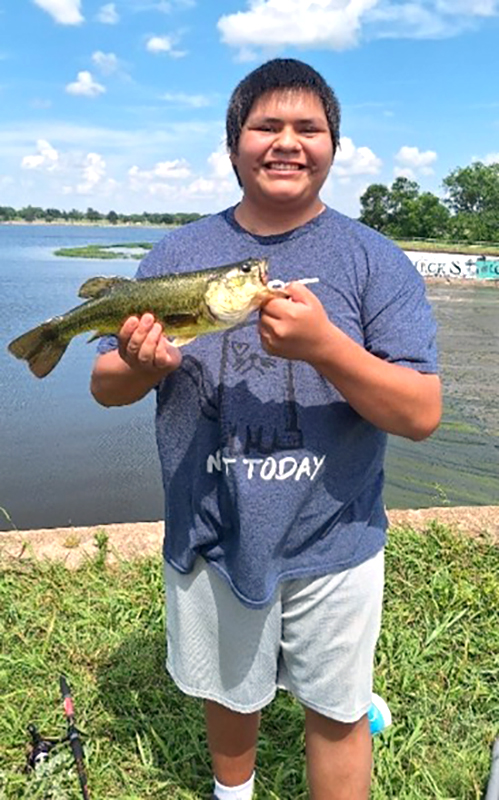 Just days after Harley’s leukemia diagnosis in late 2024, his medical team shared how treatment could impact his future fertility. A nurse on his care team took time to walk through the options with Harley and his mom, creating space for questions and understanding during an already overwhelming time.
Harley and his family chose to move forward with sperm preservation before treatment began. While he is still thinking about what he may want for his future, having that option provides flexibility. He has also expressed openness to other possibilities, including adoption. Harley’s experience highlights the importance of communication. Fertility is not a one-time decision, but an ongoing conversation.
Fertility After Treatment
Conversations about fertility don’t end when treatment does. In fact, fertility care continues throughout survivorship. Medical guidelines encourage ongoing follow-up to better understand and support their reproductive health over time. This may include monitoring hormone levels, assess development, and have age-appropriate conversations about safe respectful relationships, and sexual health as the child grows. Survivors and their families are also encouraged to engage in counseling and education around fertility and family planning, helping them feel prepared for future decisions.
Even if fertility preservation was not possible before treatment, many survivors still have meaningful options when they are ready to think about building a family. Some may go on to conceive naturally, while others may explore assisted reproductive technologies such as IVF. For those who need additional support, options like donor eggs, sperm, or embryos can provide alternative pathways to parenthood. Additionally, many survivors consider adoption or other non-biological paths to building a family. Every survivor’s journey is unique. With the right support, information, and care, families can explore options that align with their goals, values, and circumstances.
Visit our website for more information about fertility and adoption.